Austria's Shift Toward Cryptocurrency Payment Options in Licensed Sports Wagering Environments
Geschrieben von Ulrich Lange · 14.10.2026
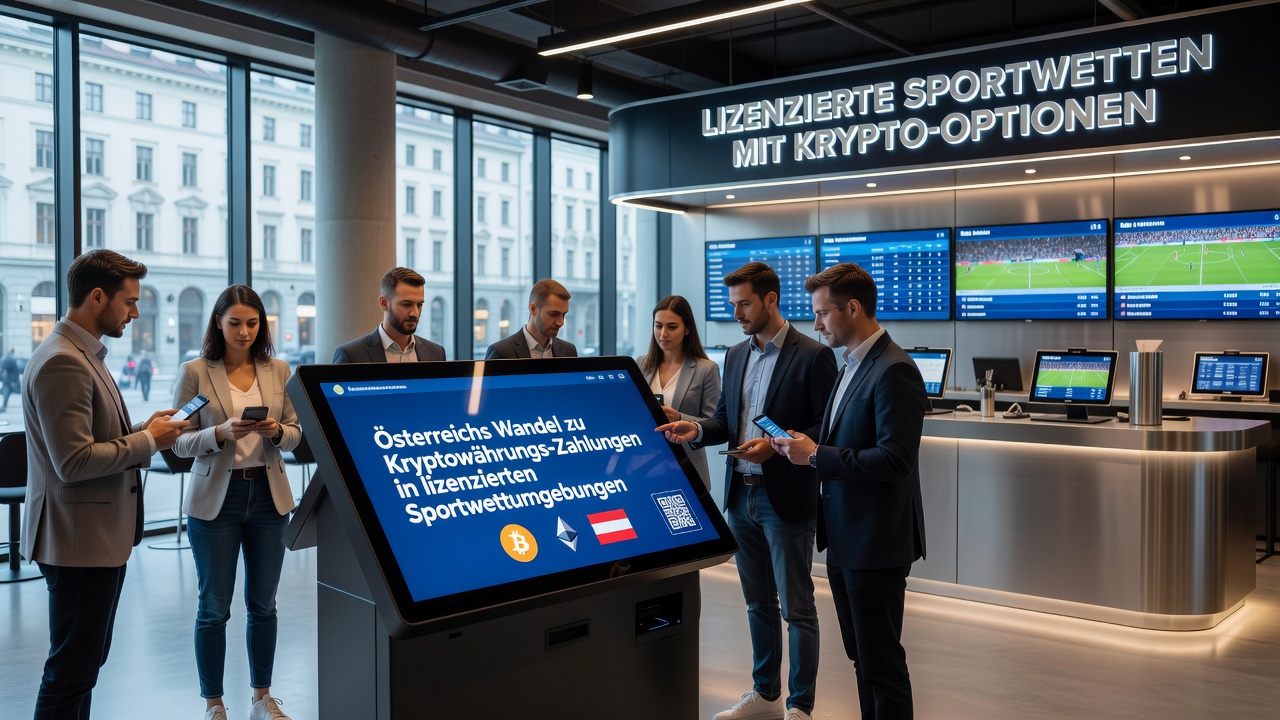
Austria's Shift Toward Cryptocurrency Payment Options in Licensed Sports Wagering Environments
Operators in Austria's regulated sports betting sector have expanded payment infrastructure to include cryptocurrency options such as Bitcoin and Ethereum, with several licensed platforms completing pilot integrations by early 2026. These changes align with broader European frameworks on digital assets and build on existing rules that require transaction monitoring through licensed financial entities. Data from the Austrian Financial Market Authority indicates that transaction volumes involving crypto deposits rose steadily through the second quarter of that year, while traditional bank transfers remained the dominant method overall.
Current Regulatory Landscape
Austria maintains a licensing system under which sports wagering providers must adhere to strict capital requirements and consumer protection standards set by national legislation. The introduction of cryptocurrency payments requires operators to partner with approved custodians that comply with anti-money laundering protocols and report activity to supervisory bodies. As of October 2026, updated guidance from the European Markets in Crypto-Assets Regulation has clarified how licensed betting firms may handle stablecoins and other digital assets without triggering separate authorization processes. Observers note that this coordination reduces compliance duplication for platforms already holding Austrian gambling permits.
Studies conducted by research institutions in Canada have examined similar integration patterns in other jurisdictions, revealing that platforms using blockchain-based settlement often record faster reconciliation times between deposits and wager placement. Austrian operators have referenced these findings when designing their own systems, though local rules still mandate that all customer funds remain segregated from operational accounts regardless of payment rail.
Technical Implementation Across Licensed Platforms
Multiple operators have deployed wallet interfaces that connect directly to on-chain verification services while maintaining real-time conversion to euro balances for odds display and payout calculations. This approach allows users to fund accounts with cryptocurrency yet see wager amounts and potential returns in familiar currency units. Security audits performed by independent firms confirm that private keys remain with third-party custodians rather than the betting platforms themselves, which limits direct exposure for the operators.
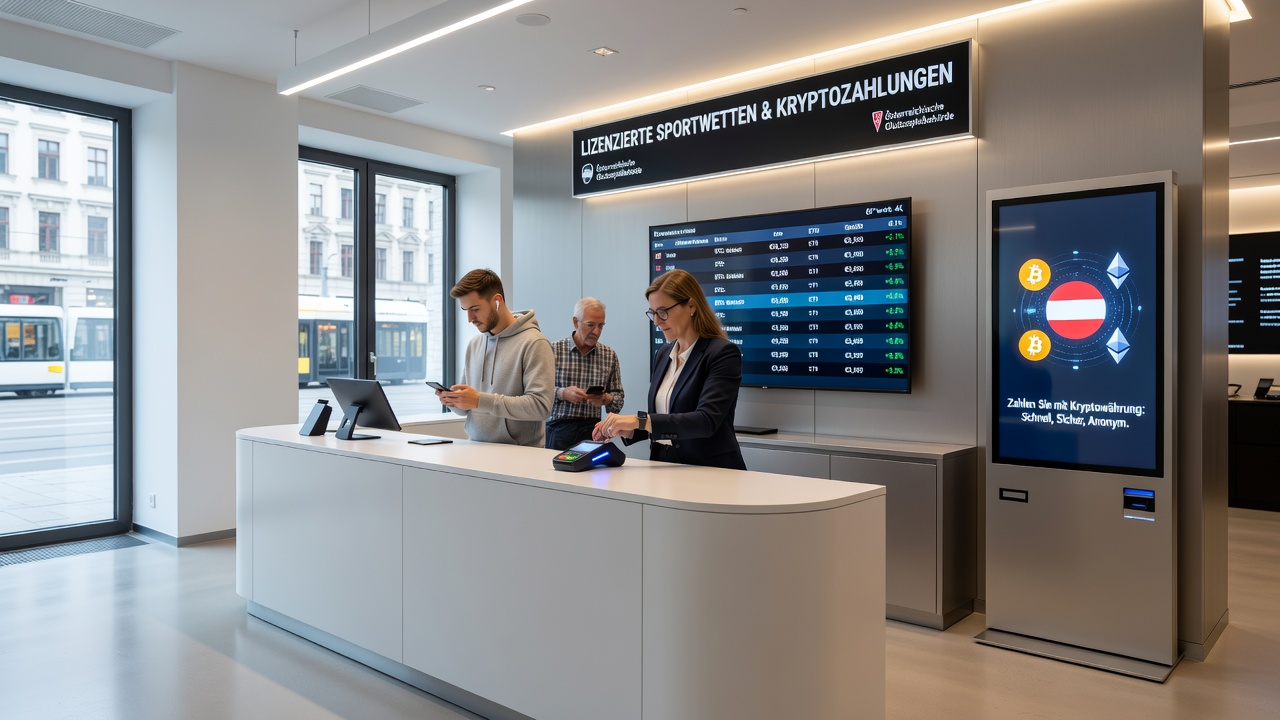
Transaction data shared under Austria's data protection statutes shows average processing times for crypto deposits dropping below thirty seconds on participating sites during peak hours. Withdrawals, however, continue to require additional verification steps that extend completion windows to several hours in many cases. Industry associations representing European gaming technology providers have documented these patterns in technical briefings distributed to member firms.
Impact on User Behavior and Transaction Monitoring
Figures released by the Austrian Federal Ministry of Finance reveal that accounts using cryptocurrency options tend to maintain higher average balances compared with those limited to bank transfers or card payments. This trend appears linked to the borderless nature of digital assets, which permits users located near national borders to move funds without currency conversion fees. Responsible gaming tools required by Austrian law, including deposit limits and session reminders, apply equally to all payment methods and display the same euro-denominated thresholds regardless of funding source.
One analysis prepared by academic researchers at a European university tracked anonymized transaction logs across several licensed platforms and found no statistically significant increase in self-exclusion requests among cryptocurrency users during the first nine months of availability. Instead, the data pointed to steady adoption rates among existing account holders who previously used electronic wallets. These observations match patterns reported by gaming trade groups operating in comparable regulatory environments outside the European Union.
Future Developments and Infrastructure Requirements
By October 2026, several Austrian licensees had begun testing integration with central bank digital currency prototypes under controlled conditions overseen by the European Central Bank. Such pilots focus on settlement finality and interoperability with existing gambling ledgers rather than direct consumer access. Meanwhile, cybersecurity standards applied to crypto custody arrangements continue to reference guidelines issued by the European Union Agency for Cybersecurity, which emphasize multi-signature controls and regular penetration testing.
Operators report that staff training programs now include modules on blockchain analytics tools used to screen incoming addresses against known risk indicators. These measures supplement the transaction monitoring already required under national gambling legislation. Industry reports suggest that further standardization of reporting formats could reduce administrative overhead for platforms handling both fiat and digital asset flows simultaneously.
Conclusion
Austria's licensed sports wagering market continues to incorporate cryptocurrency payment capabilities within the boundaries established by existing financial and gambling regulations. Official statistics and technical evaluations compiled through October 2026 document measurable increases in crypto transaction volumes alongside unchanged compliance obligations for operators. These developments reflect ongoing alignment between national licensing conditions and evolving European digital asset frameworks, with monitoring and security protocols remaining consistent across payment types.