Coordinating Real-Time Event Data Feeds with Dynamic Wagering Lines Alongside Responsible Play Protocols in Austria's Licensed Markets
Geschrieben von Ulrich Lange · 26.8.2026

Coordinating Real-Time Event Data Feeds with Dynamic Wagering Lines Alongside Responsible Play Protocols in Austria's Licensed Markets
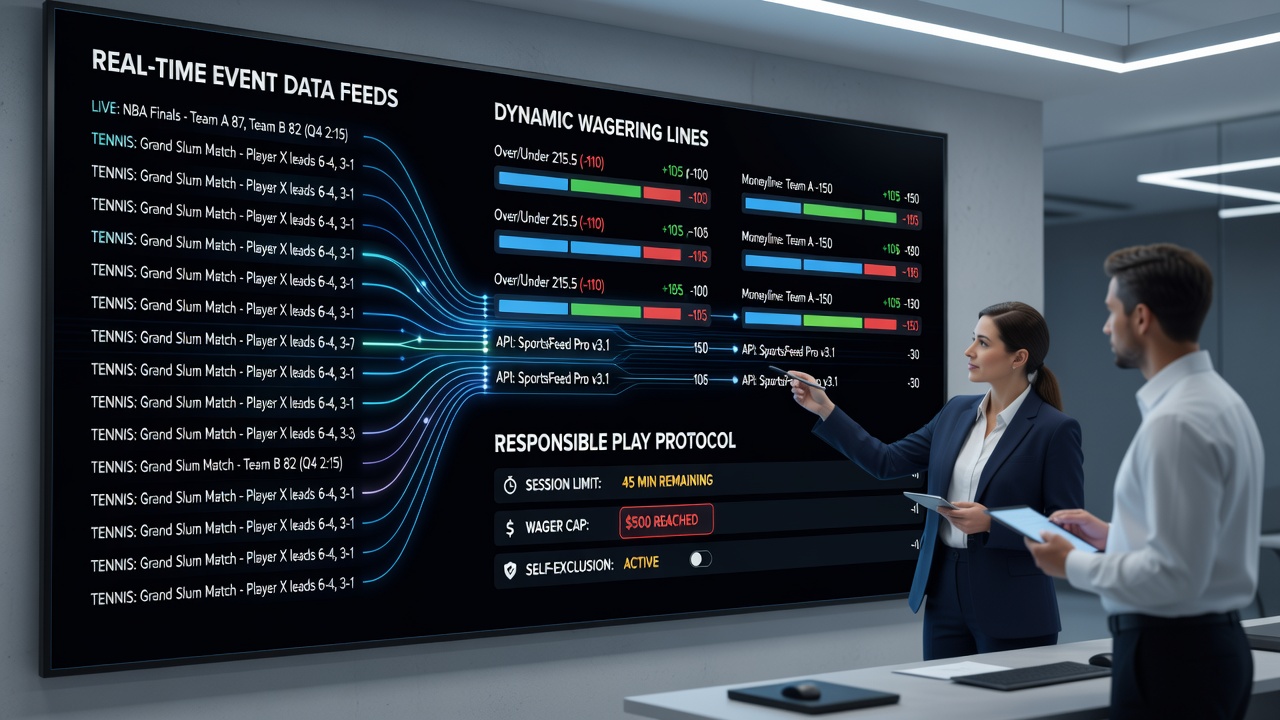
Austria's licensed betting operators manage complex systems where live event data feeds connect directly to odds engines that adjust wagering lines in seconds while built-in safeguards monitor player behavior for signs of excessive play. These coordinated setups rely on licensed platforms that receive data streams from official sports sources and feed them into algorithms that recalculate probabilities across thousands of markets simultaneously. teh Austrian regulatory environment under the Glücksspielgesetz requires operators to maintain these technical links without compromising player protection measures that include deposit limits and session time alerts.
Live Data Integration in Austrian Sports Betting
Operators in Austria pull real-time statistics from verified providers covering football matches, tennis tournaments, and other events licensed under national rules. Data arrives through secure APIs that update variables such as player performance metrics and game situations, which then trigger immediate recalculations of odds on the platform. According to figures from the Austrian Federal Ministry of Finance, licensed sports betting turnover reached several billion euros in recent years, with live betting accounting for a growing share that depends on seamless data synchronization.
Systems must handle high-volume inputs without latency because even brief delays can affect line accuracy during fast-moving events. Technical teams at licensed companies test these connections regularly to ensure consistency across desktop and mobile interfaces used by Austrian players.
Dynamic Wagering Lines and Their Technical Requirements
Dynamic lines change based on incoming data, such as a goal scored in football or a set won in tennis, prompting automated adjustments that reflect new probabilities. Austrian regulations mandate that these changes occur transparently, with records kept for compliance checks by authorities. Platforms achieve this through integrated software that combines the data feed with risk management tools, allowing lines to shift while maintaining margins set by the operator.
One study from a European gaming research group showed that markets with frequent line updates see higher engagement volumes, yet operators must balance this activity against responsible play filters that flag rapid betting patterns. In practice, the lines adapt continuously, but protocols pause or restrict certain wagers when player accounts hit predefined thresholds.
Responsible Play Protocols Within Licensed Operations
Licensed Austrian platforms embed responsible play tools directly into the betting interface, so features like reality checks and self-exclusion lists operate alongside the live data systems. These protocols draw from the same data feeds to monitor session length and stake patterns, triggering interventions when activity exceeds limits set by the player or required by law. Data from regulatory reports indicates that operators must submit regular audits showing how these safeguards function without interrupting core betting services.
Coordination becomes essential during peak events, where high volumes of live bets coincide with increased monitoring needs. Systems automatically log interactions between dynamic odds and player behavior, creating audit trails that authorities review to verify compliance. Observers note that this integration helps maintain market integrity while supporting player welfare measures established under national licensing conditions.
Regulatory Framework Supporting System Coordination
Austria's licensing process requires operators to demonstrate that real-time feeds, odds engines, and protection protocols function as a unified system rather than separate components. The framework, updated in phases through 2025, sets standards for data security and algorithmic fairness that extend into August 2026 when further reporting requirements on live betting volumes take effect. Licensed entities must prove that responsible play alerts activate correctly even as wagering lines fluctuate based on incoming event data.
External verification from industry associations such as the European Gaming and Betting Association highlights how operators across regulated European markets use similar architectures to meet local rules. These setups prevent mismatches between odds updates and player limit enforcement, ensuring that technical reliability supports both commercial operations and regulatory oversight.
Challenges in Maintaining Synchronized Operations
High-speed data feeds introduce variables that can strain responsible play monitoring if not properly calibrated. Operators address this by running parallel testing environments that simulate live conditions, checking that alerts fire at the right moments without blocking legitimate bets. Research from academic sources on gambling technology, including work from Canadian institutions, indicates that integrated platforms reduce discrepancies between odds movement and behavior tracking compared to legacy separate systems.
Network stability remains a factor, particularly during major international tournaments when Austrian players access platforms in large numbers. Companies maintain redundant connections to data providers and conduct failover procedures that keep both wagering lines and protection protocols active. This approach aligns with requirements that emphasize continuous availability alongside player safeguards.
Future Developments Expected by August 2026
By August 2026, Austrian licensed markets anticipate expanded use of machine learning models that predict line adjustments while incorporating real-time responsible play signals. These advancements build on current coordination methods, allowing platforms to refine how dynamic wagering responds to both event data and player risk indicators. Regulatory updates scheduled around that period will likely require additional documentation on system performance during high-traffic periods.
Operators continue to invest in infrastructure that supports these layered functions, drawing from best practices observed in other regulated jurisdictions. The result is a framework where live betting remains accessible yet governed by protocols designed to promote controlled participation across Austria's licensed sector.
Conclusion
Coordination of real-time feeds, dynamic lines, and responsible play protocols forms a core element of Austria's licensed betting environment. Licensed operators maintain these connections through technical standards that align commercial needs with regulatory expectations, creating systems that adapt to live events while enforcing player protections. As developments progress toward August 2026, the emphasis remains on reliable integration that supports both market operations and compliance requirements under the existing legal structure.